March 15, 2026
Why Kentucky’s Final Budget Decisions Will Shape What Districts Can Deliver Next Year
As the legislative session moves into its final stretch, Kentucky superintendents have appreciated the methodical and transparent approach lawmakers have taken this year. The intentional use of Budget Review Subcommittees and the commitment to meaningful stakeholder engagement have reflected a serious effort to get education policy and funding right.
The final weeks of the session naturally bring pressure to accelerate. In past years, that has sometimes meant bills moving rapidly, language changing with little notice, and compressed timelines. This session has been more deliberate so far, and maintaining that same thoughtful approach through the finish line will help ensure the final budget reflects the careful process that has characterized the work to this point.
For Kentucky districts, the final decisions in House Bill 500 will determine what districts can realistically provide next year in classrooms, transportation systems, and workforce investments. They will shape whether superintendents and boards have room to respond to local needs with confidence or are forced into another year of stretching inadequate recurring revenue across rising expectations.
That is why KASS continues to treat the budget as the main event—and why the deliberate, transparent process lawmakers have demonstrated matters so much as these final decisions approach.
The Budget Is Where District Capacity Is Decided
At this stage of session, many policy bills compete for attention. Some affect operations, governance, transparency, or advocacy. All matter. But the budget is different because it sets the basic operating reality every district must work within.
A district cannot build a staffing plan on good intentions. It cannot cover transportation costs with uncertainty. It cannot remain competitive in the labor market if recurring revenue doesn't match recurring obligations.
Three core funding questions remain inside House Bill 500:
SEEK Base: The current first-year increase of $40 doesn't provide districts with enough recurring revenue to make meaningful progress. It doesn't create financial room for substantial classroom investments or meaningfully strengthen educator compensation. Districts need the SEEK base strengthened to $4,736 (FY27) and $4,891 (FY28)
to move halfway back toward 2008 purchasing power with full transportation funding and Tier 1 to 20%.
Pupil Transportation: The state must fully fund transportation using the Spring 2026 statutory calculation of $491,979,038 annually. Transportation isn't a side issue—it's a daily operational requirement that connects students to school and makes every other educational investment possible. When transportation is underfunded by $93 million annually, districts must absorb the difference from classroom budgets.
Tier I Funding: Increase Tier I from 17.5% to 20%. This change narrows gaps between property-wealthy and property-poor districts and provides recurring revenue that allows districts to strengthen core services and respond to local priorities.
Taken together, these three budget choices would move the state meaningfully closer to restoring district capacity.
Why Recurring Revenue Matters
One of the clearest themes in budget conversations is that districts need recurring dollars, not one-time relief. Temporary funding may address an immediate need, but it doesn't support long-term staffing, compensation, transportation planning, or strategic improvement efforts.
Superintendents and boards build budgets around commitments that continue year after year. Salaries continue. Benefits continue. Routes continue. Student needs continue. When recurring costs are met with limited recurring revenue, districts are pushed into a cycle of delay, deferral, and hard tradeoffs.
That challenge becomes even more serious in a workforce environment where school districts are still trying to remain competitive. Even in 2008, when Kentucky education had its strongest buying power, districts weren't operating with excess resources. But the gap between education salaries and private-sector counterparts was narrower then than now. Since that time, the gap has widened.
Districts have made some progress keeping up with inflation in recent years, but not enough to close that broader competitiveness gap. When state funding remains constrained, it becomes harder for districts to keep pace with workforce expectations. That is one reason the budget conversation cannot be separated from the broader conversation about district stability and public trust.
The Pressure on Local Flexibility
District leaders have raised serious concerns about bills that would further constrain local revenue authority at a time when state funding is already insufficient to meet growing operational demands.
For some districts, local boards and communities have stepped up to help meet urgent needs, including modest staff raises during difficult economic periods. That kind of local action requires trust, transparency, and public support. But it has been one of the few available tools districts could use when state funding fell short.
Proposals that automatically trigger tax referendums or freeze local authority over certain non-property revenues have drawn concern because if state support remains constrained while local flexibility is also reduced, districts are left with fewer responsible options
to address classroom needs, transportation obligations, and workforce investments.
That is not a sustainable position for Kentucky public education.
The Budget as a Leadership Issue
For superintendents, the budget conversation is never just about numbers. It's about the ability to lead responsibly.
District leaders are expected to recruit talent, support student success, maintain services, communicate with communities, comply with new laws, manage transportation systems, and prepare for future challenges. Those responsibilities don't pause when the funding picture falls short - they simply become harder to meet.
A stronger budget gives districts more than additional dollars. It gives them planning confidence. It allows boards to make decisions with greater stability. It gives superintendents a better chance to implement priorities without constantly shifting funds to cover unavoidable shortfalls. It supports a steadier message to employees and families: the district has a plan and the resources to carry it out responsibly.
A weak budget does the opposite. It forces reactive decision-making, narrows local options, makes it harder to compete for talent, and increases the likelihood that districts will spend another year managing around unmet needs rather than fully addressing them.
The Final Weeks Require Discipline
As the session winds down, the pace of movement tends to increase. Bills can change quickly. Measures that seemed dormant can suddenly advance. Confusing language can appear late. New requirements can be attached with very little implementation runway.
For district leaders, that means advocacy cannot ease up. This is the point in session when focused communication matters most.
The message needs to stay clear and consistent:
✓ Strengthen the SEEK base to $4,736 (FY27) and $4,891 (FY28)
✓ Fully fund pupil transportation at $491,979,038 annually
✓ Increase Tier I to 20%
✓ Protect district flexibility
✓ Avoid implementation timelines that leave schools scrambling
These are practical asks rooted in district realities. They reflect what superintendents know from experience: policy decisions made in Frankfort become operational consequences in local school systems.
Kentucky Districts Need More Than Symbolic Support
Districts need funding decisions that materially improve capacity.
A small increase that sounds positive in a press release may still be insufficient in a district budget. A statement of support for public education means little if transportation remains underfunded or if districts still lack the recurring revenue needed to strengthen compensation. A policy environment that praises local leadership while reducing local flexibility sends a conflicting message.
Kentucky school districts need more than affirmation. They need durable financial support that matches the responsibilities placed on them.
That is especially true at a moment when expectations continue to expand. Schools are asked to do more, explain more, report more, and implement more. The public rightly expects quality, stability, and accountability. But those expectations must be matched by a funding framework that makes them achievable.
What Superintendents Know About Next Year
As final budget decisions approach, superintendents know exactly what next year will look like under different funding scenarios.
Inadequate SEEK base?
Another year of delayed hires and stretched compensation schedules.
Transportation underfunded?
Another $93 million diverted from classrooms.
Tier I frozen at 17.5%?
Property-poor districts fall further behind.
Local flexibility constrained?
Fewer options to respond when state funding falls short.
This isn't political positioning. It's budget planning based on operational experience. The final budget determines which scenario Kentucky districts will face.
The most effective message is also the clearest one:
Kentucky districts need a final budget that strengthens recurring revenue, supports transportation, improves flexibility, and gives schools a realistic chance to meet the expectations placed on them next year.
That is not an excessive ask. It is a responsible one.
The Road Ahead
Senate action remains ahead. Conference committee negotiations will matter. Other bills will continue moving and may still affect district operations and authority. But the conversation makes one thing unmistakable: the budget remains the defining issue.
For KASS members, the focus should stay where it belongs. The final outcome of House Bill 500 will shape what districts can deliver, what boards can sustain, and what superintendents can responsibly promise heading into the next school year.
The stakes are visible in every staffing discussion, every transportation plan, every compensation conversation, and every budget work session across Kentucky.
The final weeks of session may be fast-moving, but the message should remain steady: Kentucky's public schools need a final budget that reflects the real cost of educating students, supporting staff, and leading districts well.
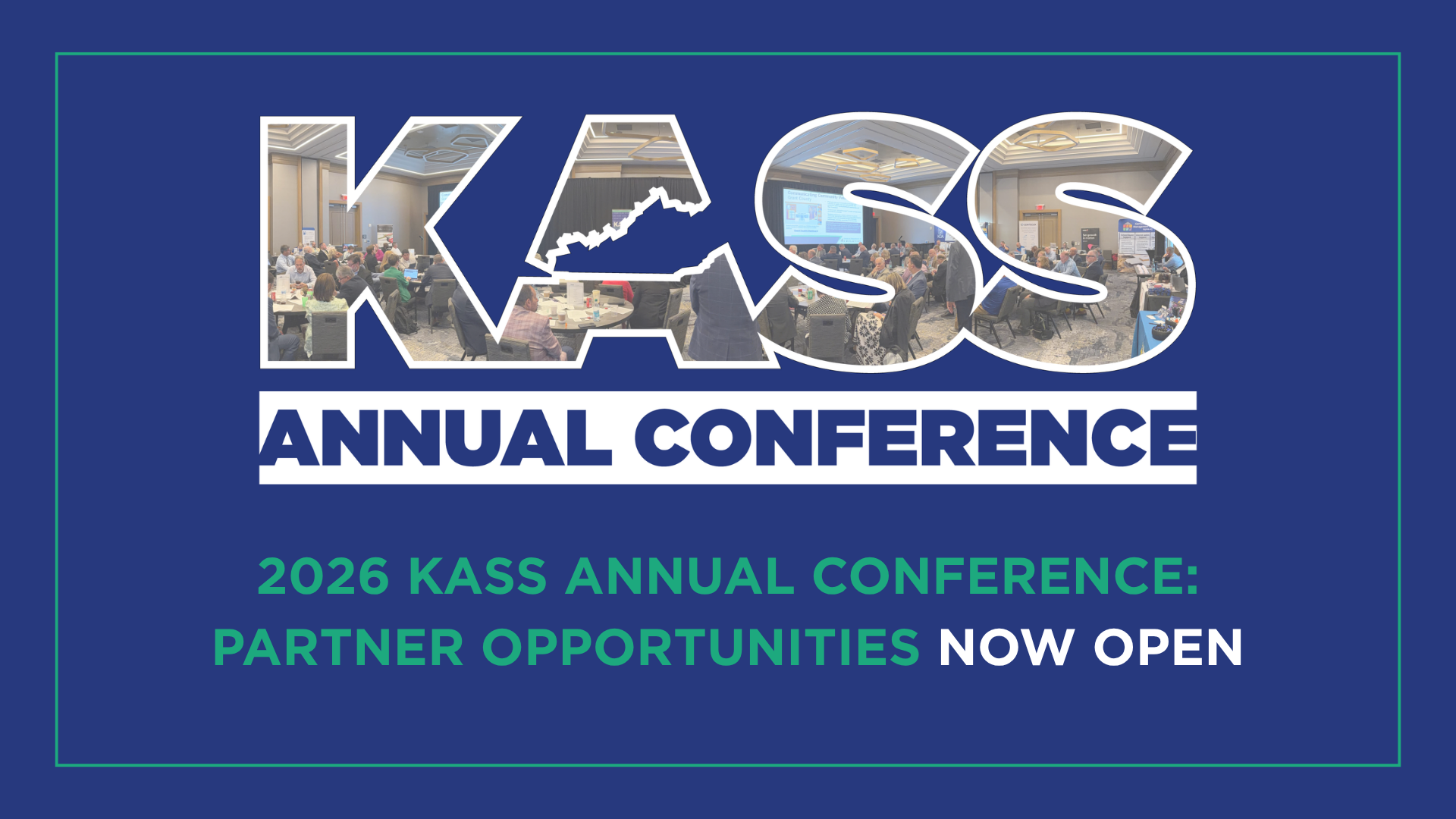
December 6-8 at the Louisville Marriott Downtown Organizations that support Kentucky public school districts can now register to exhibit, sponsor, or join as a Preferred Partner at the 2026 KASS Annual Conference, December 6-8 at the Louisville Marriott Downtown. The Annual Conference is the largest KASS gathering of the year, bringing Kentucky's school superintendents together for professional learning, peer connection, and conversation about the work ahead for their districts. For superintendents, the partners in the room are part of that work. For organizations, it is a direct and personal way to understand what district leaders need. What This Conference Means for Districts and Partners Kentucky's superintendents are the chief decision-makers for districts across the Commonwealth. They are accountable for governance, operations, and long-term student outcomes, and they come to KASS events to learn alongside peers and find partners who can help them do the job well. Because KASS is the state organization dedicated solely to superintendents, partners at the Annual Conference are in the room with the leaders who set direction and shape priorities for their districts. This year's conference theme is The Power of Possibility: Empowering Learners. Igniting Innovation. Transforming Education. Conference at a Glance

The KASS Fall Superintendents Summit brings Kentucky district leaders together September 8–9 in Lexington for focused conversation and peer connection. Limited sponsorship opportunities available for organizations committed to Kentucky public education.
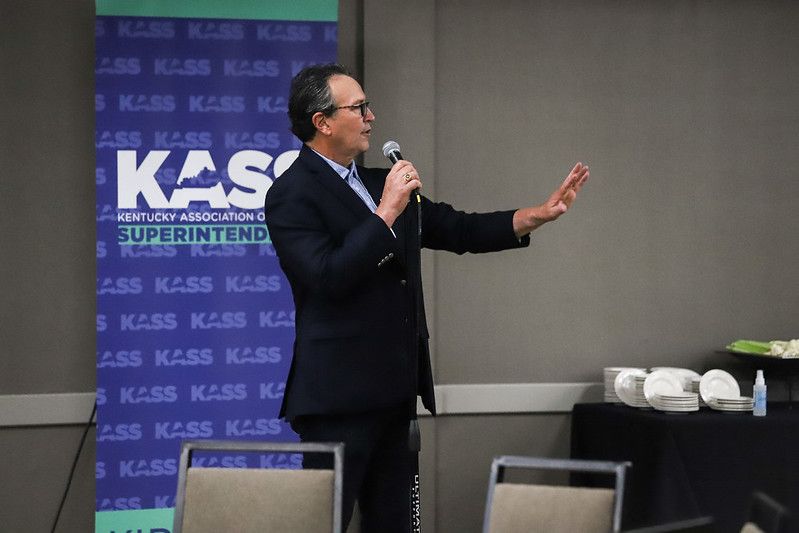
Join Kentucky superintendents at the KASS Summer Summit in Lexington. Limited sponsorship opportunities available for meaningful, relationship-driven engagement.

HB 757 phases out state equalization for facility nickels, and every Kentucky district is now on a clock. Here is what the 2026 session means for school construction funding and what superintendents must do before April 15.
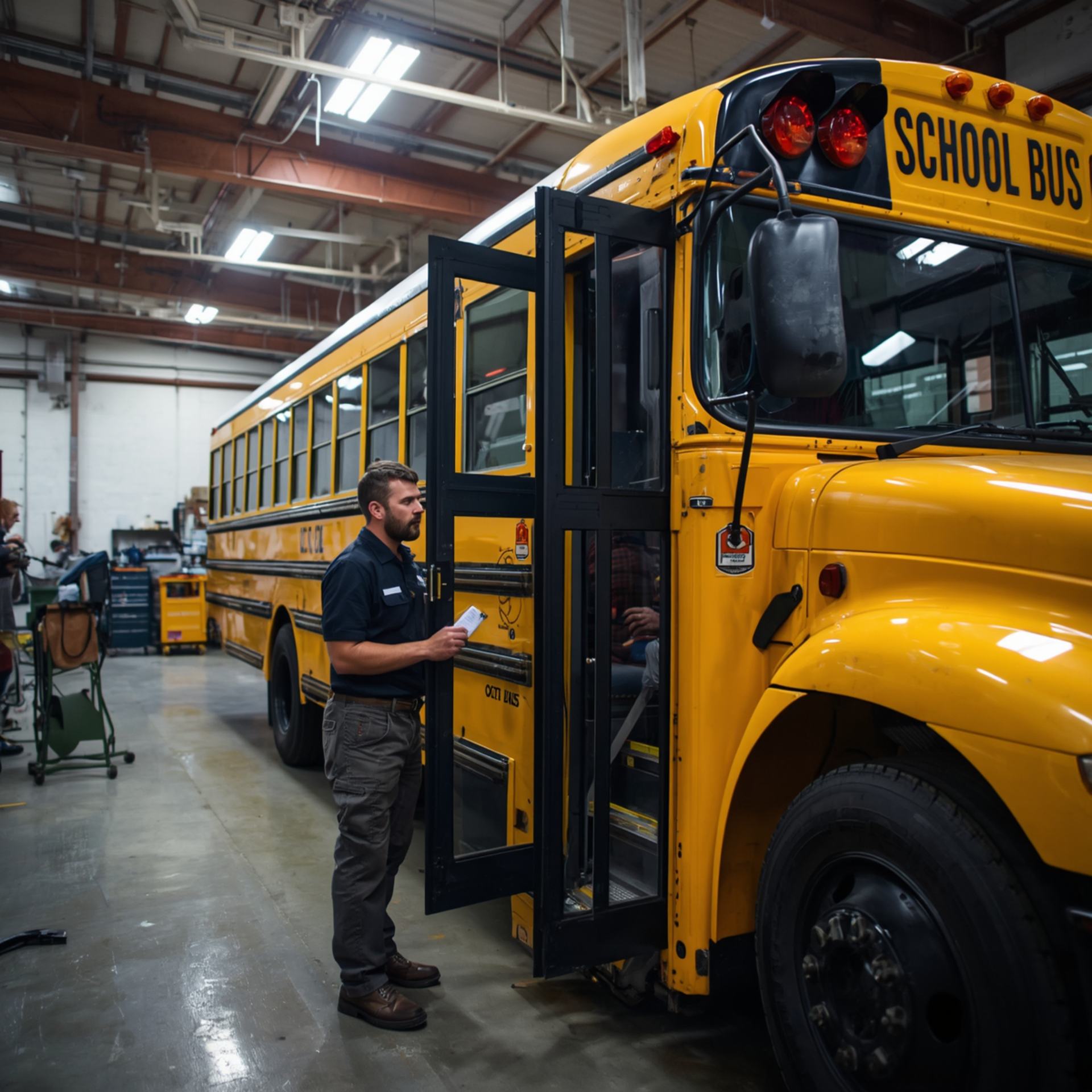
Kentucky law requires full transportation funding — but the gap between obligation and appropriation costs districts $94 million a year. Here's what that means for students, buses, and classrooms across the Commonwealth.

Kentucky's HB 257 adds three new accountability indicators — National Board certification rates, 8th grade Algebra 1 enrollment, and FAFSA completion — to the state's overall district score. Here's why district leaders are raising concerns, and why this conversation isn't over.