Why Funding Matters in Local Accountability
September 18, 2025
Why Funding Matters in Local Accountability
Any accountability system begins with a simple truth: in order for schools to deliver on their promises to students, adequate and equitable funding must exist. Each Kentucky district faces its own realities: urban and rural, large and small, county and independent, property-rich and property-poor. Yet all 171 school districts share the same responsibility: meet the educational needs for every child in the Commonwealth. This was the promise of the Kentucky Education Reform Act (KERA). It took courage to not only paint a picture of what Kentucky schools should be, but also fund those initiatives.
The SEEK formula was designed with this balance in mind. Its founding vision recognized that every community has unique assets and challenges, and that state support is necessary to ensure fairness across the Commonwealth. This is what makes the formula powerful: it allows all districts, regardless of size, wealth, or demographics, to provide the foundational opportunities every child deserves and that’s required by Kentucky statute.
When schools are properly funded, vibrant learning becomes possible. Resources extend beyond textbooks and technology; they include the ability to hire and retain strong teachers, offer diverse programs for every learner, and provide meaningful experiences that prepare students for life. Whether it is advanced coursework, career and technical pathways, robust arts programs, or gifted and talented classes, funding makes these opportunities a reality. And for Kentucky School Districts, the promise of KERA was that the state would shoulder the largest burden. This promise has not been upheld since 2008.
Local accountability means communities have a voice in shaping how dollars are used to hold their local districts accountable. Superintendents and boards must be able to deploy funds where they are needed most, reflecting the values and priorities of local families. Adequate SEEK funding, paired with flexibility, ensures that schools can adapt to the specific needs of their students while remaining aligned with state goals.
As we expand accountability to the local community, the call to action is clear: to achieve the goals our community desires, we must have state funding to turn these aspirations into a reality. Districts are committed to transparency, innovation, and results, but they must have the fiscal foundation to succeed. A statewide approach that strengthens SEEK and honors local context is essential to sustaining meaningful learning opportunities in every Kentucky community for every Kentucky student.
Funding is not just about numbers - It is about what those numbers mean in classrooms, in hallways, and in the lives of children. When we fund our schools equitably and responsibly, we build a system of accountability that truly reflects the values of Kentucky: fairness, opportunity, and schools that put Kids First.

The Purpose Behind Synergy
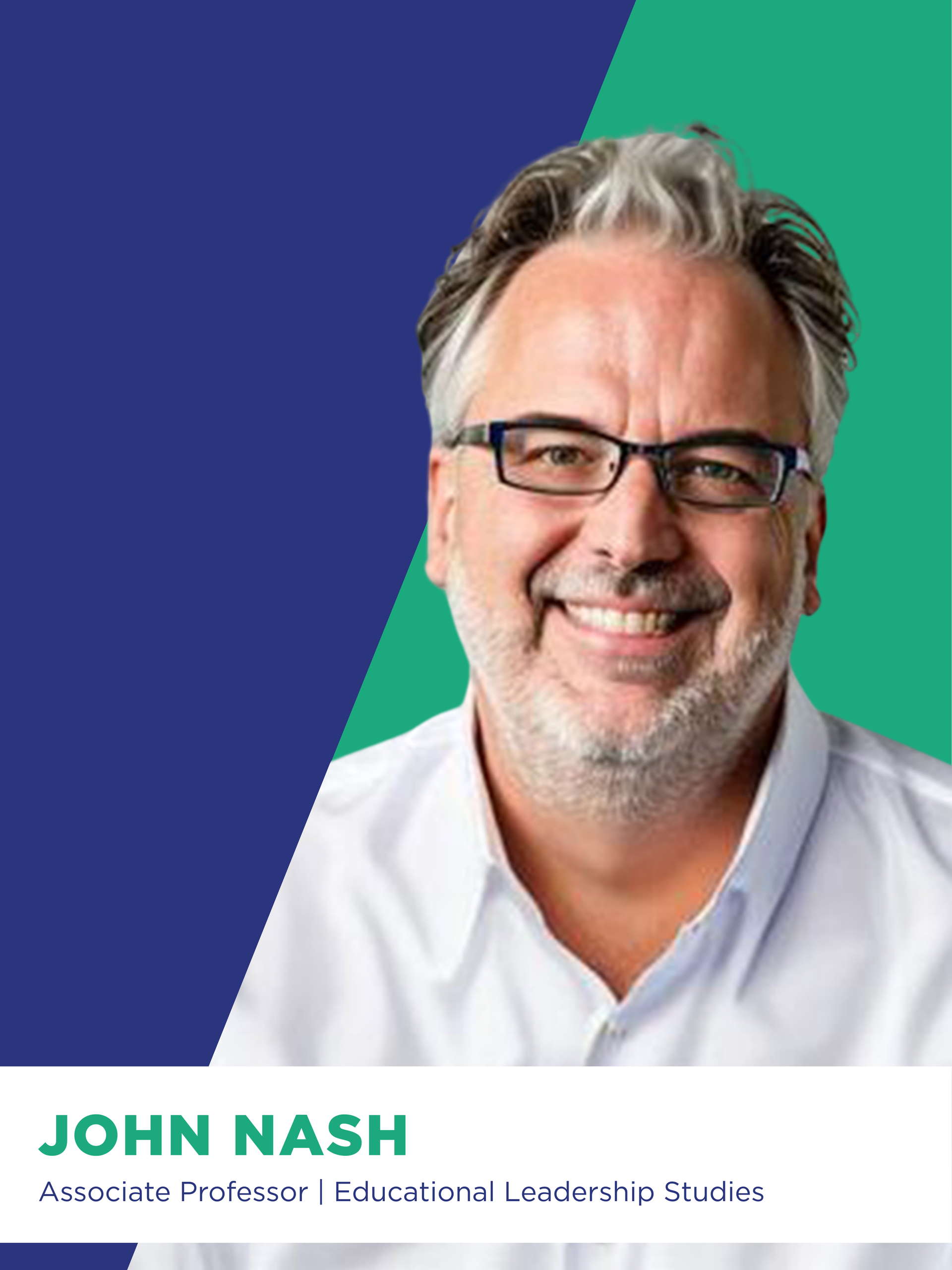
In the KASS Live session with John Nash, superintendents were invited into a nuanced discussion about how generative AI is shaping the educational landscape and what it means for district leadership. Nash, Associate Professor of Educational Leadership Studies at the University of Kentucky and founding director of the Laboratory on Design Thinking, offered a grounded framework for understanding AI beyond hype and anxiety. He emphasized that the integration of AI should be deliberate, anchored in clear leadership goals and centered on supporting educators and learners rather than replacing essential human judgment. Throughout the conversation, Nash connected the promise of emerging technologies with enduring leadership principles — trust, reflection, and purpose. Rather than presenting AI as a side project or compliance task, he encouraged superintendents to consider how these tools might support problem-solving, instructional innovation, and operational clarity across their districts. His perspective reminded leaders that the essence of their role remains unchanged even as the tools evolve: guide people toward meaningful outcomes and keep students at the center of every decision. 👉 Watch the full conversation with John Nash: https://www.youtube.com/live/p47qpLGs1VM
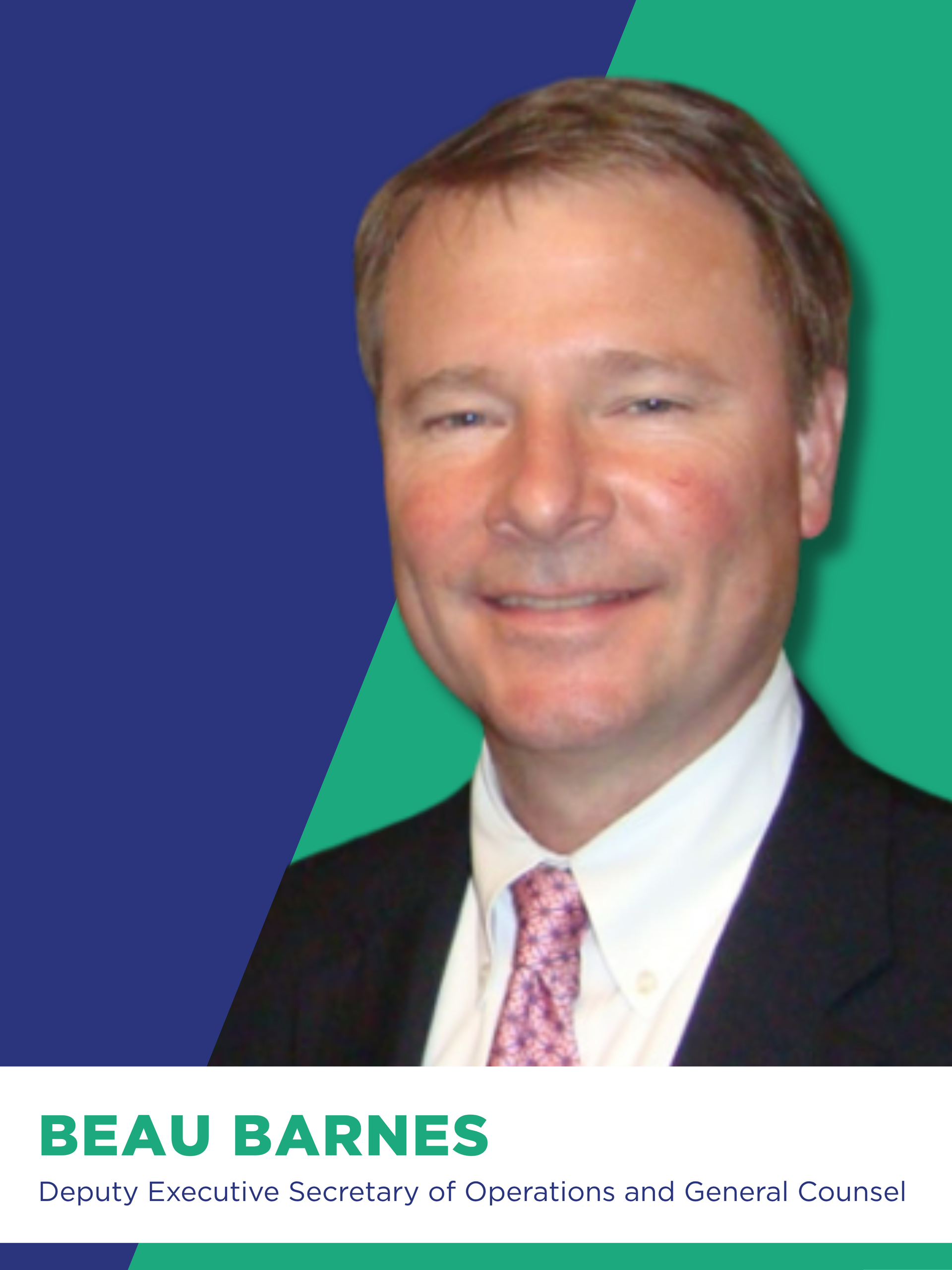
In this KASS Live episode, Beau Barnes — Deputy Executive Secretary of Operations and General Counsel for the Teachers’ Retirement System of Kentucky (TRS) — brought superintendents into a frank conversation about the health and future of the statewide retirement system that supports Kentucky’s educators. Barnes discussed the role of sustained investment, governance integrity, and transparent communication in ensuring that TRS remains a stable and dependable benefit for teachers and administrators alike. His insights underscored that secure and well-governed retirement systems are essential to recruiting and retaining high-quality staff across districts. Barnes also highlighted how reforms and strategic planning within TRS intersect with broader district priorities, from workforce stability to long-range financial forecasting. His discussion aimed to demystify complex pension topics and frame them in terms that district leaders can incorporate into their planning conversations. Rather than an abstract financial challenge, TRS became a lens through which superintendents could examine how retirement policy and operational decisions affect district morale, long-term hiring strategies, and community confidence in public education as a career pathway. 👉 Watch the full conversation with Beau Barnes: https://www.youtube.com/watch?v=0VgqkixoaAU&list=PL-5C6cZuwEFLtZQLLGV_A3n__fBWYWk6V&index=2
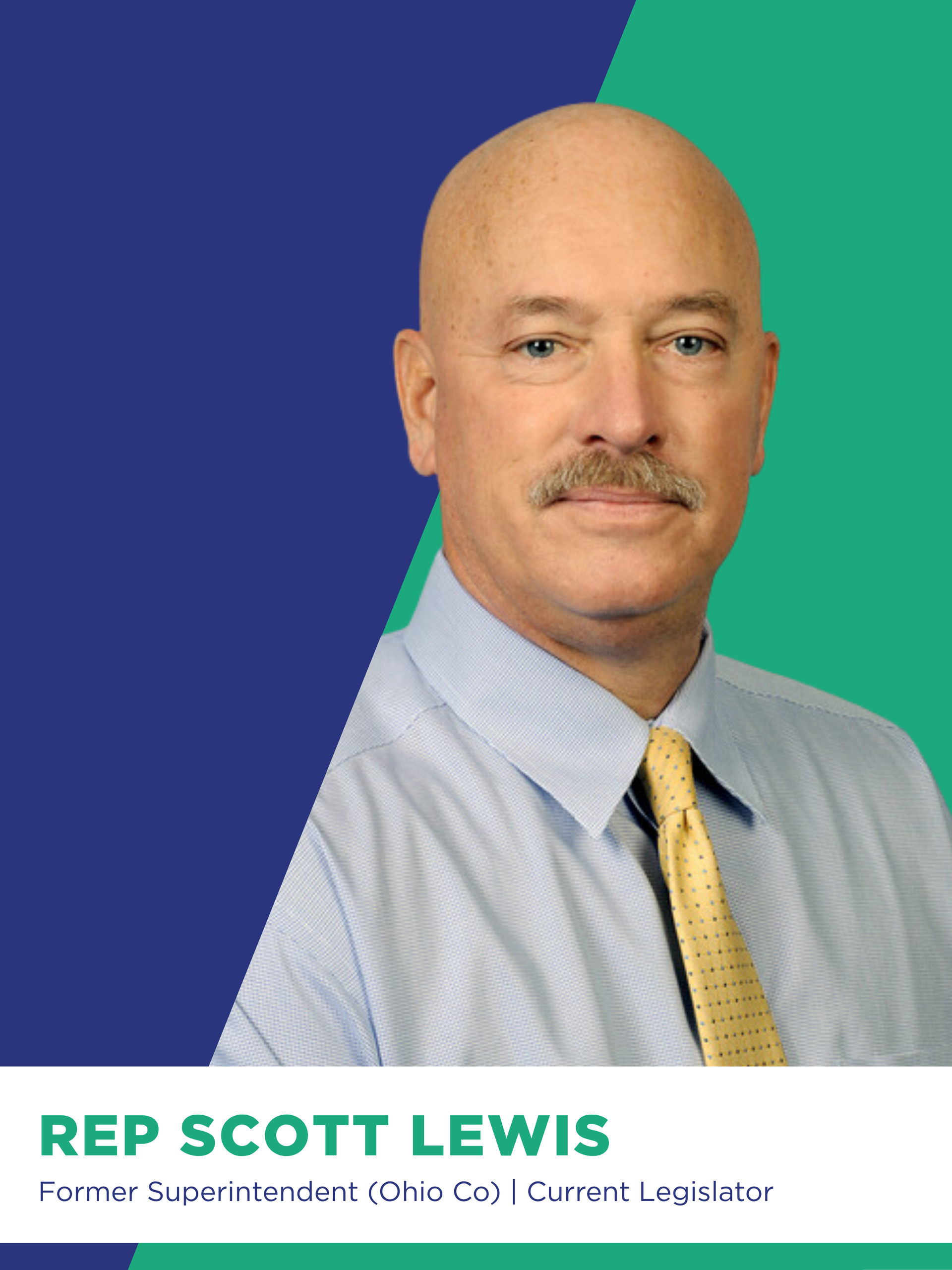
Representative Scott Lewis brought his perspective as both a former superintendent and current legislator to KASS Live, offering a forward-looking conversation on policy priorities shaping Kentucky’s public schools. Lewis discussed the importance of bipartisan efforts to refine the state’s accountability systems, strengthen the educator workforce, and reduce unnecessary regulatory burdens that can pull districts away from core instructional work. His insights blended legislative context with operational realities that superintendents face, bridging the gap between policy debate in Frankfort and decision-making in district offices. Throughout the session, Lewis emphasized that targeted investments — including support for classroom resources, workforce development, and pension stability — are essential to sustaining momentum in student achievement and operational excellence. He encouraged leaders to engage thoughtfully with lawmakers and framed collaboration as a strategic tool for advancing initiatives that align with district priorities. His conversation reinforced that legislative outcomes matter not just for compliance, but for their cumulative impact on student opportunities, district capacity, and community trust in public education. 👉 Watch the full conversation with Representative Scott Lewis: https://www.youtube.com/watch?v=WLcbk4AnClI
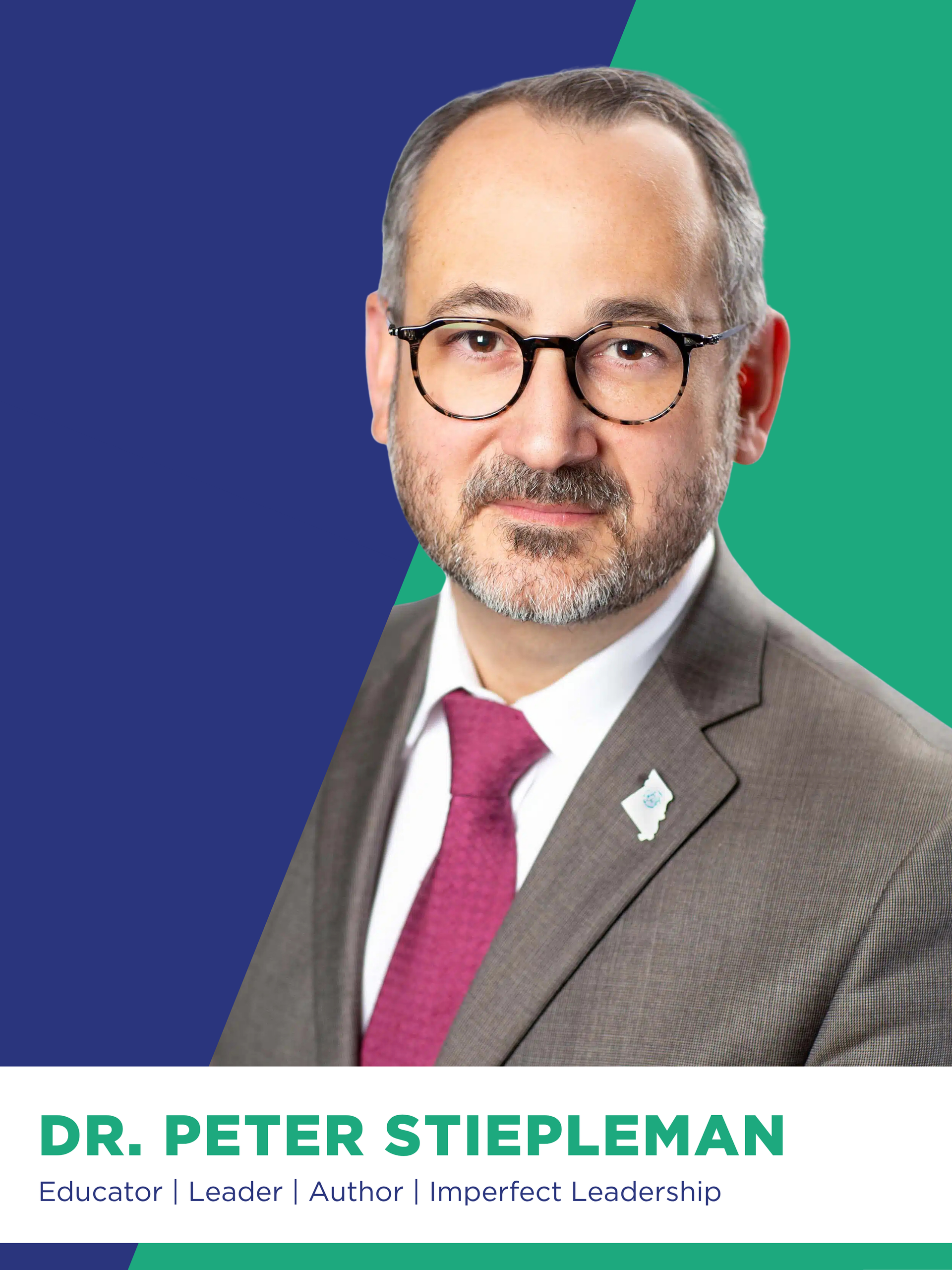
Dr. Peter Stiepleman joined KASS Live for a thoughtful conversation about leadership grounded in authenticity, clarity, and connection. Drawing on his experience as a superintendent and national leadership coach, Stiepleman shared perspectives on how intentional communication, reflective practice, and strong relationships empower school leaders to navigate complexity with confidence. His messages were less about a particular policy agenda and more about the enduring qualities that define effective leadership in challenging times. Stiepleman’s conversation encouraged superintendents to consider leadership as a practice rooted in presence — being attuned to the needs of their teams, students, and communities while maintaining clarity of purpose. He emphasized that while external pressures are real, leaders strengthen their districts by cultivating trust, articulating clear priorities, and engaging in open dialogue with stakeholders. His insights reminded audience members that leadership is not only about strategy but about the integrity and consistency leaders bring to their roles every day. 👉 Watch the full conversation with Dr. Peter Stiepleman: https://www.youtube.com/live/t_N5l34CMKY
KASS Live: Clarity When It Matters Most