Closing the Funding Gap: Ensuring Kentucky’s Education Budget Delivers

February 7, 2025

Closing the Funding Gap: Ensuring Kentucky’s Education Budget Delivers

In 1989, the Kentucky Supreme Court, in Rose vs. the Council for Better Education (commonly referred to as the Rose decision), declared the entire state system of public education unconstitutional.  The court found that Kentucky’s public education system failed to meet the requirements of Section 183 of the state constitution, which mandates an "efficient system of common schools throughout the state."  This lawsuit was prompted by major deficiencies in both the adequacy of public school funding and the equity of that funding in districts across the state.  From this decision, the Kentucky legislature passed the Kentucky Education Reform Act, which, among many overhauls, included a new funding formula known as the Support Education Excellence in Kentucky (SEEK). 


The Kentucky Association of School Superintendents commends the legislature for passing an education budget that moves us closer to adequate funding.  Currently, however, a funding shortfall exists and it’s imperative this gap is closed in order for the budget to work and be made whole.  Inadequate funding harms the entire budget process.


How is SEEK Calculated?


Every two years, Kentucky lawmakers set a per-student base funding amount multiplied by the district’s average daily attendance from the previous year. This is just a starting point, however, and not a guaranteed amount per student. 

Next, add-ons adjust funding based on student needs:


  • At-risk students (free lunch eligible) = number of students x 15% of the base funding per student.
  • Home-hospital students = previous year’s average daily attendance x the base amount minus $100.
  • Exceptional children = funding varies by need level and the number of students (low, moderate, or high incidence).
  • Limited English proficiency students = number of students x 9.6% of the base funding per student.
  • Transportation funding is based on distance, frequency, and type of travel.


After calculating adjusted base funding,
local effort is subtracted. Districts must contribute 30 cents per $100 of assessed property value, reducing the amount provided by the state. Wealthier districts receive less state aid, while poorer districts receive more to promote fairness.

Districts can raise local taxes beyond the required amount:

Tier One: Up to 17.5% more, with state equalization for poorer districts.

Tier Two: Up to 30% more (requires voter approval) but gets no state equalization.


A
hold harmless provision ensures no district receives less than it did in 1992.

In short, SEEK funding aims to balance resources so all students, regardless of their district’s wealth, have access to similar educational opportunities.


Why do we have a funding gap?


Funding gaps are not new.  When developing the budget for SEEK, estimates must occur as legislators are projecting two years out.  Based on any number of factors within the formula, a surplus or shortfall will almost always happen.  Over the past 15 years, shortfalls have occurred 4 times.  But during the last fiscal year, there was a $156.3 million SURPLUS in SEEK funds that were swept to the state general fund. 


Factors that impact SEEK include changes in:

  • Enrollment
  • Average Daily Attendance
  • At-risk students
  • Students w/disabilities and category of that disability
  • Students utlizing home-hospital services
  • Students with limited English proficiency
  • Transportation patterns within the district
  • Increase or decrease in property values
  • Local district tax rates 


Since 2022, total enrollment has increased by almost 4,000 students across the state.  In that same time frame, Kentucky public schools have seen an increase of over 10,000 at-risk students, 12,000 students with limited English proficiency, and 9,000 students with a disability.  The shifts in these groups combined with a large variance in local property values across the state make the SEEK estimate an imperfect science.  And yet, the shortfall is less than 1.5% of the total SEEK budget.


Why can’t local districts just pick up the cost?


A common argument is that local school districts have contingencies to cover just this sort of thing.  In Kentucky, 2% of a local school district’s budget is REQUIRED to be in contingency, while at least 5% is recommended. In fact, many accountants recommend at least 3 months of operating costs in reserve.  Much like people who try to save a portion of their income, school districts do the same.


The average school district in Kentucky has around 2200 students.  When you are dealing with thousands of people (students and staff) being transported, fed, utilizing hundreds of thousands of square feet of buildings, ensuring their safety, and supporting the educational efforts of the next generation, there are many expenses.  The roof has leaks, the heating unit stops working, an extra teacher is provided for a program needed for students, the bus breaks down - these costs are why a district has a contingency.  In many districts, the contingency is developed because of expected large future expenses like a building project, staff raises, or expanded programs. 


What must happen now?


It is crucial the Kentucky Legislature close this shortfall.  The money is there.  Last year, over $156 million from the SEEK fund lapsed back to the general fund.  To close this year’s gap, 25% of that money is needed - a small drop in the bucket.  School districts utilize expected SEEK dollars to create their budgets for the next year.  Not closing the gap will lead to budget shortfalls locally, which could impact jobs, whether or not districts can give raises, and uncertainty in the budgeting process moving forward.  This budget was a good education budget.  It should not be short changed because of the SEEK shortfall.


The Kentucky Association of School Superintendents encourages every superintendent to reach out to their local legislators to discuss more specific talking points and how this shortfall could affect your district and your long-term plans.  Now is the time to act to ensure we continue to focus on Kentucky public education funding.


February 20, 2026
A provision in the House budget proposal would place a cap on the state’s contribution toward employee health insurance premiums. Based on projections shared by the Personnel Cabinet, that cap could shift substantial premium growth to employees over the next biennium. For Kentucky’s public schools, this is not simply a budget line item. It is a workforce strategy issue with long-term implications for staffing stability and student outcomes. The Foundation at Risk Public education has always competed for talent on total compensation — salary plus benefits. When salaries lagged behind the private sector, strong health insurance and retirement benefits sustained the education workforce for decades. Recent legislative investments began restoring salary competitiveness. That progress is measurable. More districts are fully staffed than in prior years, and momentum has been building. The proposed changes to the health insurance cap change that equation. If benefit costs rise significantly for employees, districts risk losing both the salary progress recently achieved and the long-standing benefits advantage that helped sustain the workforce during leaner years. The Personnel Impact According to projections referenced in statewide discussions: Premium increases could reach up to 78 percent. Teachers could see reductions in real take-home pay of approximately $5,832 per year. Bus drivers could lose roughly $6,420 annually. Additional impacts include higher deductibles and reduced coverage. When a teacher receives a raise but pays more in premiums, total compensation declines. From a workforce standpoint, that erases recent progress. Three Compounding Consequences This shift creates three compounding consequences for Kentucky’s public schools: 1. The Profession Loses Its Competitive Case For decades, education could tell prospective employees: salaries may lag, but benefits are strong and retirement is secure. Recent investments allowed districts to add that salary competitiveness was improving. If take-home pay declines, both arguments weaken at once. Recruitment becomes harder. Retention becomes less certain. 2. Classified Staff Lose a Primary Reason to Stay Bus drivers, food service workers, paraeducators, and custodians have historically accepted lower hourly wages in exchange for quality health coverage. Significant premium increases tip the balance. When classified roles go unfilled, districts face immediate operational challenges — transportation routes, meal service, and facility operations all depend on stable staffing. 3. Local Communities Bear Unequal Burden When total compensation declines, communities face pressure to respond locally. Property-wealthy districts may have some flexibility. Property-poor districts, many of which are already near practical tax limits, often do not. Workforce instability will not distribute evenly. It will disproportionately affect the communities least equipped to absorb it. T he Big Three Alignment Question The House budget proposal also includes continued investment in SEEK, transportation funding, and Tier I — the “Big Three” pillars designed to support competitive compensation and expand access to opportunity. Those investments reflect a commitment to strengthening Kentucky’s public education system. However, if benefit costs simultaneously reduce take-home pay, the workforce strategy those investments are intended to support becomes more difficult to sustain. You cannot recruit with one hand and create net financial loss with the other. Budget provisions must align. A Superintendent-Centered Perspective Superintendents understand fiscal responsibility. District leaders make difficult budget decisions every year, balancing sustainability with workforce investment. The question is not whether health care costs are rising. The question is how those costs are distributed and what consequences follow. Workforce stability is not peripheral to student success. It is foundational. Schools rise or fall on the quality and consistency of the adults serving students. Moving Forward As the budget process continues, clarity and alignment matter. Districts need: Accurate projections Clear implementation guidance Budget alignment that supports total compensation stability KASS will continue to provide superintendent-centered analysis focused on operational consequence and workforce sustainability. Kentucky’s public schools depend on talented educators and staff. Policy decisions affecting compensation structures should be evaluated not only in fiscal terms, but in terms of long-term workforce strength and student success.
February 15, 2026
In a recent KASS Live episode, KHSAA Commissioner Julian Tackett addressed the growing complexity surrounding high school athletics in Kentucky. From transfer eligibility under open enrollment to NIL guardrails and mid-season movement, the pressures facing districts are increasingly operational and immediate. Tackett emphasized that the KHSAA’s responsibility is consistent rule application grounded in member-approved policy, while superintendents remain central to maintaining fairness, clarity, and community trust when eligibility questions arise. The conversation also underscored the importance of safety, supervision, and partnership. Whether addressing fan conduct, officiating shortages, or compliance concerns, athletics reflect district leadership and school culture. With clear communication and steady collaboration between districts and the KHSAA, superintendents can protect student opportunity while preserving competitive integrity and public confidence. 👉 Watch the full conversation with Julian Tackett
February 15, 2026
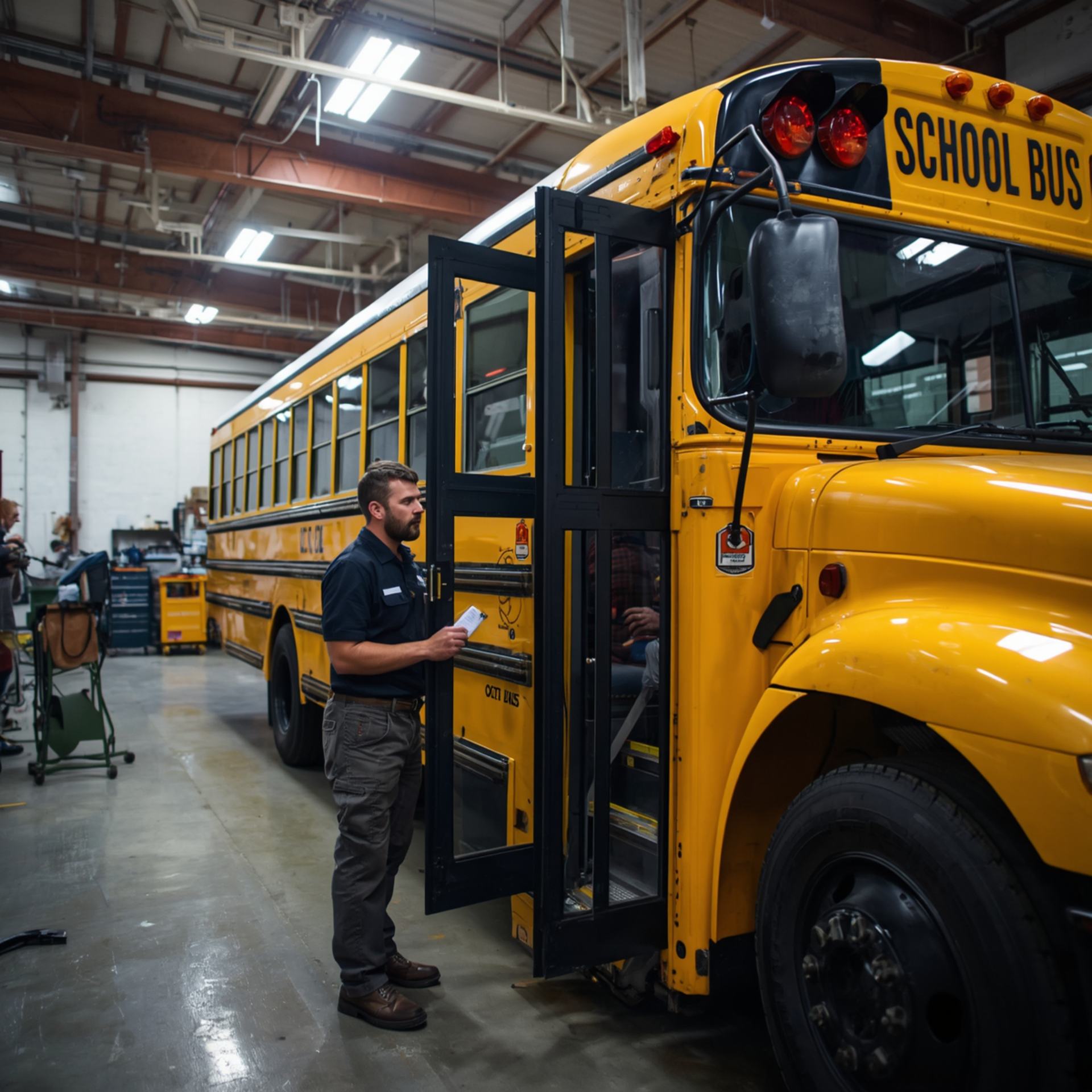
When education funding debates move into budget season, conversations often revolve around line items, percentages, and projections. For district superintendents, however, the implications are far more tangible. They are measured in teacher salaries, bus replacement schedules, classroom resources, and student services. This session’s budget conversation centers heavily on recurring revenue through the SEEK formula. While multiple targeted investments are under discussion, the clearest message emerging is the importance of the SEEK base and its connection to district stability. Why the SEEK Base Matters The SEEK base is not simply a number in statute. It is the primary recurring funding mechanism that districts rely on for sustainable planning. When the base increases meaningfully, districts gain the ability to invest in instruction, remain competitive in staff compensation, and address long-term workforce challenges. When it remains flat, the pressure shifts locally. Over time, districts have experienced diminished buying power relative to 2008 levels. Inflationary pressures and rising operational costs continue to compound that challenge. Without recurring revenue growth, districts absorb those increases within fixed budgets. The result is not theoretical. It is operational. A Local Example: Rockcastle County Schools A funding impact report shared this week illustrates how these pressures manifest at the district level . On page 1 of the report, Rockcastle County Schools documents a 26 percent decrease in purchasing power compared to 2008. Bus replacement costs increased significantly, with a single bus rising from $97,115 in 2021 to $154,702 in 2026. The district will purchase four buses at a total cost of $618,808. Insurance costs tell a similar story. General and property insurance increased from $168,977 in 2020 to $467,555 in 2025 . Instructional curriculum now totals $1.2 million annually, and even a limited Chromebook replacement cycle at select grade 0 levels requires $300,000 plus additional charger Y . These are not optional expenses. They are core operational realities. Transportation and Instructional Tradeoffs On page 3 of the same report, Rockcastle details the transportation impact specifically . Fully funding SEEK transportation using prior-year spring data would provide $413,906, nearly funding three of the four buses needed for the upcoming year. Over a ten-year period, the district estimates a $7,040,240 deficit resulting from transportation not being fully funded . When transportation funding falls short, districts must redirect general fund dollars to close the gap. That shift carries instructional consequences: delayed salary adjustments, postponed program investments, and limited capacity to address workforce shortages. Superintendents presenting to budget committees emphasized this dynamic clearly. One district reported being funded at roughly 74 percent of actual transportation cost, requiring approximately $900,000 to be covered locally. The instructional opportunity cost of that gap is real. Tier I and Geographic Equity The third recurring revenue lever under discussion is Tier I equalization. An increase from 17.5 percent toward 20 percent has been referenced as a way to strengthen equity across districts with varying property wealth. As described in the Rockcastle report on page 4 , recurring SEEK funding supports: Expanded mental health services Special education and intervention staffing School resource officers Student services such as counseling and food access Cost-of-living salary increases Rising instructional programming costs These needs do not fluctuate annually. They are ongoing, and they require stable funding. The Power of Telling the Story The most effective advocacy this week did not rely on abstract percentages. It relied on district-level numbers and clearly articulated tradeoffs. Transportation funded at 71 to 74 percent. Four buses costing over $600,000. Insurance increases of nearly $300,000 in five years. A decade-long transportation deficit exceeding $7 million. These details shift the conversation from policy theory to district consequence. Legislators consistently respond to local impact framed through data and student outcomes. When superintendents connect SEEK base increases to competitive salaries, to workforce retention along border states, to expanded mental health supports, the budget conversation becomes grounded in operational reality. Recurring Revenue Is the Stability Strategy Targeted investments have value. School safety, induction programs, and principal mentoring initiatives all matter. But recurring revenue remains the foundation. The SEEK base, fully funded transportation using current data, and equitable Tier I adjustments represent structural stability. They allow districts to plan beyond a single fiscal year. They protect classroom resources from operational volatility. They restore balance between state and local funding responsibility. At the center of this discussion is not a formula. It is stewardship. District leaders are tasked with protecting instructional quality, sustaining safe environments, and maintaining public trust. Recurring revenue allows them to do that with foresight rather than reaction. Moving Forward Budget negotiations will continue to evolve. Early signals suggest interest in raising the SEEK base and improving transportation funding. Final outcomes will depend on continued engagement and clear communication from district leaders. The most effective approach remains consistent: Present the numbers. Connect them to instruction. Explain the consequence of inaction. Reinforce the long-term return on investment. As the Rockcastle report concludes, the return on investment is not abstract. It is the future leaders of Kentucky communities . In this budget cycle, the SEEK base is more than a funding mechanism. It is the clearest signal of the Commonwealth’s commitment to sustaining strong, stable, and future-ready public schools.
February 8, 2026
The Purpose Behind Synergy
February 8, 2026
In the KASS Live session with John Nash, superintendents were invited into a nuanced discussion about how generative AI is shaping the educational landscape and what it means for district leadership. Nash, Associate Professor of Educational Leadership Studies at the University of Kentucky and founding director of the Laboratory on Design Thinking, offered a grounded framework for understanding AI beyond hype and anxiety. He emphasized that the integration of AI should be deliberate, anchored in clear leadership goals and centered on supporting educators and learners rather than replacing essential human judgment. Throughout the conversation, Nash connected the promise of emerging technologies with enduring leadership principles — trust, reflection, and purpose. Rather than presenting AI as a side project or compliance task, he encouraged superintendents to consider how these tools might support problem-solving, instructional innovation, and operational clarity across their districts. His perspective reminded leaders that the essence of their role remains unchanged even as the tools evolve: guide people toward meaningful outcomes and keep students at the center of every decision. 👉 Watch the full conversation with John Nash
February 8, 2026
In this KASS Live episode, Beau Barnes — Deputy Executive Secretary of Operations and General Counsel for the Teachers’ Retirement System of Kentucky (TRS) — brought superintendents into a frank conversation about the health and future of the statewide retirement system that supports Kentucky’s educators. Barnes discussed the role of sustained investment, governance integrity, and transparent communication in ensuring that TRS remains a stable and dependable benefit for teachers and administrators alike. His insights underscored that secure and well-governed retirement systems are essential to recruiting and retaining high-quality staff across districts. Barnes also highlighted how reforms and strategic planning within TRS intersect with broader district priorities, from workforce stability to long-range financial forecasting. His discussion aimed to demystify complex pension topics and frame them in terms that district leaders can incorporate into their planning conversations. Rather than an abstract financial challenge, TRS became a lens through which superintendents could examine how retirement policy and operational decisions affect district morale, long-term hiring strategies, and community confidence in public education as a career pathway. 👉 Watch the full conversation with Beau Barnes: https://www.youtube.com/watch?v=0VgqkixoaAU&list=PL-5C6cZuwEFLtZQLLGV_A3n__fBWYWk6V&index=2
More Posts