Legislative Priorities: A Clear Call to Action for Kentucky’s Public Schools

January 15, 2026
Kentucky’s public schools are entering a pivotal moment. As the General Assembly begins its work in the 2026 legislative session, decisions made in Frankfort will shape the future of teaching, learning, and opportunity across the Commonwealth. As superintendents responsible for educating more than 600,000 students across Kentucky, we believe this moment requires clarity, collaboration, and an unwavering commitment to putting Kids First.

Public education thrives when policy reflects both statewide goals and local realities. This session, three legislative priorities rise above all others as essential to student success: a modern accountability system focused on continuous improvement, a sustainable educator workforce pipeline, and fully funded SEEK. These priorities are not theoretical. They directly impact classrooms, communities, and the future of Kentucky’s workforce.

Accountability with Purpose
Kentucky has an opportunity to lead with an accountability system that reflects what communities value most. Through the Kentucky United We Learn initiative, educators, families, and education leaders have come together to design a framework focused on continuous improvement, local voice, and shared responsibility. This collaborative work emphasizes growth, relevance, and trust rather than compliance alone.

The United We Learn framework recognizes that meaningful accountability must balance statewide expectations with locally identified measures of success, allowing communities to define what success looks like while remaining aligned to statewide goals. When communities see themselves reflected in accountability, engagement increases and outcomes improve. KASS continues to support implementation efforts that ensure accountability remains transparent, student-centered, and responsive to community needs. Learn more about the framework through the Kentucky Department of Education’s United We Learn initiative.

Building and Sustaining the Educator Workforce
Educators are the foundation of Kentucky’s public schools. Teachers, principals, and superintendents shape learning environments where students are supported academically and socially. Yet recruitment and retention challenges threaten the stability of this foundation.

Building a strong workforce pipeline requires a long-term approach. Competitive compensation, flexible certification pathways, job-embedded professional learning, and meaningful induction supports all play a role, along with the flexibility for local districts to recruit, support, and retain educators in ways that reflect their unique community contexts. KASS supports continued work with the Education Professional Standards Board to broaden pathways into the profession and ensure talented educators can meet student needs in diverse settings.

When we invest in people, we invest directly in students. Strengthening the educator pipeline is not simply a workforce issue. It is one of the most direct student success strategies available to policymakers.

Sustaining and Strengthening SEEK Funding
Equitable funding remains central to educational opportunity. The Support Education Excellence in Kentucky (SEEK) formula is the Commonwealth’s primary tool for ensuring students have access to comparable educational opportunities regardless of zip code. Over time, inflation has eroded SEEK’s purchasing power, placing additional strain on local districts.

Restoring SEEK to its inflation-adjusted 2008 level, fully funding add-ons, and providing long-term predictability are essential steps toward fiscal stability and toward meeting the Commonwealth’s long-term responsibility to provide an efficient system of public education. Adequate funding allows districts to plan responsibly, support staff, and meet the academic and social-emotional needs of students. Additional information on SEEK and Kentucky’s education funding system is available through the Legislative Research Commission.

Progress Through Unified Advocacy
Kentucky’s education leaders have seen firsthand the impact of unified advocacy. In recent years, collective KASS efforts have helped secure investments in full-day kindergarten, student transportation, and school safety. These wins demonstrate what is possible when education leaders speak clearly, consistently, and together, and when superintendents engage early, often, and constructively with policymakers.

While progress has been made, continued advocacy remains essential. Each legislative session presents new challenges and opportunities, and sustained engagement ensures student needs remain at the center of policy decisions.

A Moment That Matters
This legislative session represents a defining moment for public education in Kentucky. Lawmakers must hear directly from education leaders about what students need to succeed. Public schools remain the Commonwealth’s greatest engine of opportunity, and bold, sustained investment is critical to their success.

The path forward is clear. Together, we must lead with urgency, advocate with unity, and act with purpose. KASS will continue to engage lawmakers, partner agencies, and superintendents throughout the session to advance these priorities with clarity and consistency.

Kentucky’s superintendents stand ready to work with policymakers to ensure every decision keeps students at the center and strengthens the future of public education.
February 15, 2026
In a recent KASS Live episode, KHSAA Commissioner Julian Tackett addressed the growing complexity surrounding high school athletics in Kentucky. From transfer eligibility under open enrollment to NIL guardrails and mid-season movement, the pressures facing districts are increasingly operational and immediate. Tackett emphasized that the KHSAA’s responsibility is consistent rule application grounded in member-approved policy, while superintendents remain central to maintaining fairness, clarity, and community trust when eligibility questions arise. The conversation also underscored the importance of safety, supervision, and partnership. Whether addressing fan conduct, officiating shortages, or compliance concerns, athletics reflect district leadership and school culture. With clear communication and steady collaboration between districts and the KHSAA, superintendents can protect student opportunity while preserving competitive integrity and public confidence. 👉 Watch the full conversation with Julian Tackett
February 15, 2026
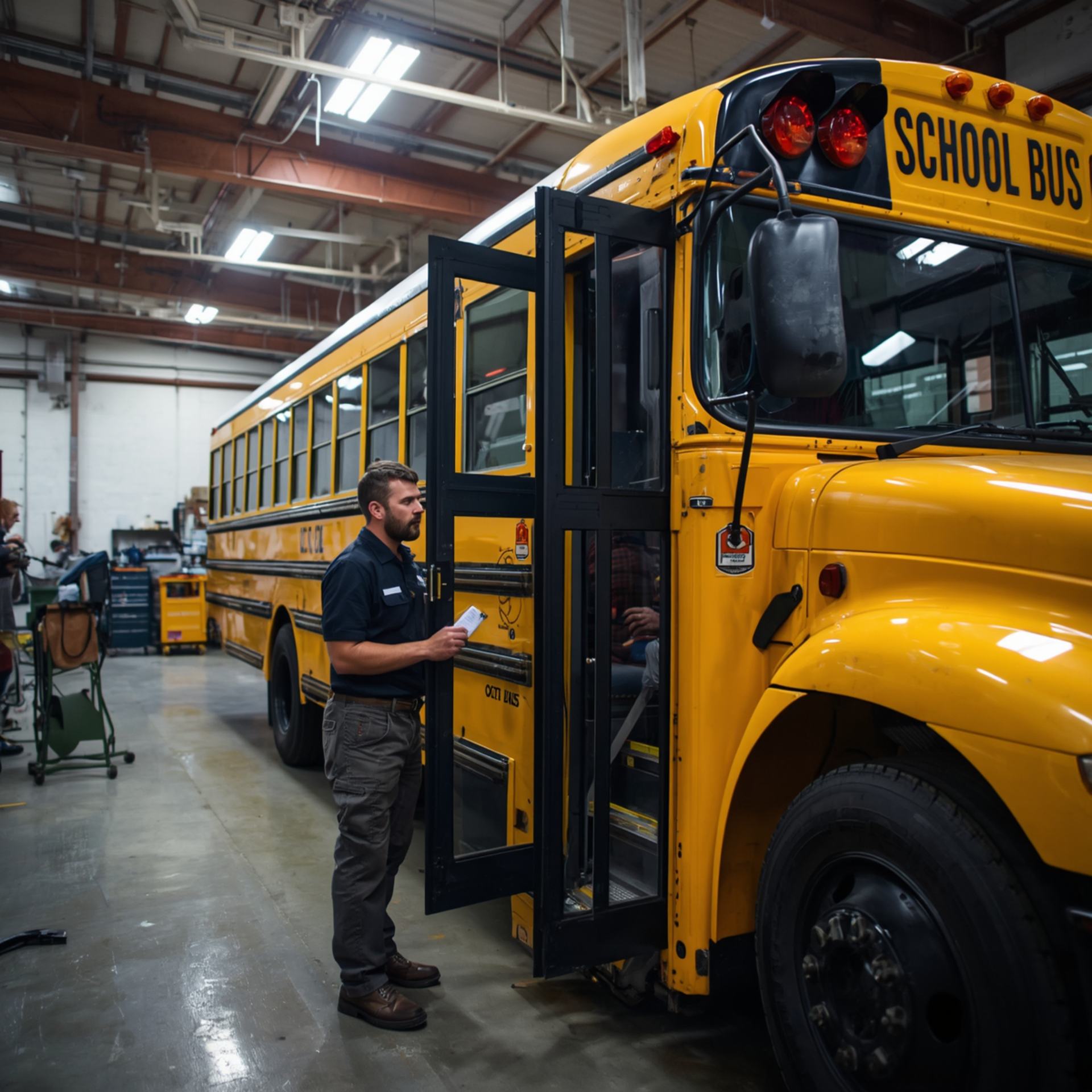
When education funding debates move into budget season, conversations often revolve around line items, percentages, and projections. For district superintendents, however, the implications are far more tangible. They are measured in teacher salaries, bus replacement schedules, classroom resources, and student services. This session’s budget conversation centers heavily on recurring revenue through the SEEK formula. While multiple targeted investments are under discussion, the clearest message emerging is the importance of the SEEK base and its connection to district stability. Why the SEEK Base Matters The SEEK base is not simply a number in statute. It is the primary recurring funding mechanism that districts rely on for sustainable planning. When the base increases meaningfully, districts gain the ability to invest in instruction, remain competitive in staff compensation, and address long-term workforce challenges. When it remains flat, the pressure shifts locally. Over time, districts have experienced diminished buying power relative to 2008 levels. Inflationary pressures and rising operational costs continue to compound that challenge. Without recurring revenue growth, districts absorb those increases within fixed budgets. The result is not theoretical. It is operational. A Local Example: Rockcastle County Schools A funding impact report shared this week illustrates how these pressures manifest at the district level . On page 1 of the report, Rockcastle County Schools documents a 26 percent decrease in purchasing power compared to 2008. Bus replacement costs increased significantly, with a single bus rising from $97,115 in 2021 to $154,702 in 2026. The district will purchase four buses at a total cost of $618,808. Insurance costs tell a similar story. General and property insurance increased from $168,977 in 2020 to $467,555 in 2025 . Instructional curriculum now totals $1.2 million annually, and even a limited Chromebook replacement cycle at select grade 0 levels requires $300,000 plus additional charger Y . These are not optional expenses. They are core operational realities. Transportation and Instructional Tradeoffs On page 3 of the same report, Rockcastle details the transportation impact specifically . Fully funding SEEK transportation using prior-year spring data would provide $413,906, nearly funding three of the four buses needed for the upcoming year. Over a ten-year period, the district estimates a $7,040,240 deficit resulting from transportation not being fully funded . When transportation funding falls short, districts must redirect general fund dollars to close the gap. That shift carries instructional consequences: delayed salary adjustments, postponed program investments, and limited capacity to address workforce shortages. Superintendents presenting to budget committees emphasized this dynamic clearly. One district reported being funded at roughly 74 percent of actual transportation cost, requiring approximately $900,000 to be covered locally. The instructional opportunity cost of that gap is real. Tier I and Geographic Equity The third recurring revenue lever under discussion is Tier I equalization. An increase from 17.5 percent toward 20 percent has been referenced as a way to strengthen equity across districts with varying property wealth. As described in the Rockcastle report on page 4 , recurring SEEK funding supports: Expanded mental health services Special education and intervention staffing School resource officers Student services such as counseling and food access Cost-of-living salary increases Rising instructional programming costs These needs do not fluctuate annually. They are ongoing, and they require stable funding. The Power of Telling the Story The most effective advocacy this week did not rely on abstract percentages. It relied on district-level numbers and clearly articulated tradeoffs. Transportation funded at 71 to 74 percent. Four buses costing over $600,000. Insurance increases of nearly $300,000 in five years. A decade-long transportation deficit exceeding $7 million. These details shift the conversation from policy theory to district consequence. Legislators consistently respond to local impact framed through data and student outcomes. When superintendents connect SEEK base increases to competitive salaries, to workforce retention along border states, to expanded mental health supports, the budget conversation becomes grounded in operational reality. Recurring Revenue Is the Stability Strategy Targeted investments have value. School safety, induction programs, and principal mentoring initiatives all matter. But recurring revenue remains the foundation. The SEEK base, fully funded transportation using current data, and equitable Tier I adjustments represent structural stability. They allow districts to plan beyond a single fiscal year. They protect classroom resources from operational volatility. They restore balance between state and local funding responsibility. At the center of this discussion is not a formula. It is stewardship. District leaders are tasked with protecting instructional quality, sustaining safe environments, and maintaining public trust. Recurring revenue allows them to do that with foresight rather than reaction. Moving Forward Budget negotiations will continue to evolve. Early signals suggest interest in raising the SEEK base and improving transportation funding. Final outcomes will depend on continued engagement and clear communication from district leaders. The most effective approach remains consistent: Present the numbers. Connect them to instruction. Explain the consequence of inaction. Reinforce the long-term return on investment. As the Rockcastle report concludes, the return on investment is not abstract. It is the future leaders of Kentucky communities . In this budget cycle, the SEEK base is more than a funding mechanism. It is the clearest signal of the Commonwealth’s commitment to sustaining strong, stable, and future-ready public schools.
February 8, 2026
The Purpose Behind Synergy
February 8, 2026
In the KASS Live session with John Nash, superintendents were invited into a nuanced discussion about how generative AI is shaping the educational landscape and what it means for district leadership. Nash, Associate Professor of Educational Leadership Studies at the University of Kentucky and founding director of the Laboratory on Design Thinking, offered a grounded framework for understanding AI beyond hype and anxiety. He emphasized that the integration of AI should be deliberate, anchored in clear leadership goals and centered on supporting educators and learners rather than replacing essential human judgment. Throughout the conversation, Nash connected the promise of emerging technologies with enduring leadership principles — trust, reflection, and purpose. Rather than presenting AI as a side project or compliance task, he encouraged superintendents to consider how these tools might support problem-solving, instructional innovation, and operational clarity across their districts. His perspective reminded leaders that the essence of their role remains unchanged even as the tools evolve: guide people toward meaningful outcomes and keep students at the center of every decision. 👉 Watch the full conversation with John Nash
February 8, 2026
In this KASS Live episode, Beau Barnes — Deputy Executive Secretary of Operations and General Counsel for the Teachers’ Retirement System of Kentucky (TRS) — brought superintendents into a frank conversation about the health and future of the statewide retirement system that supports Kentucky’s educators. Barnes discussed the role of sustained investment, governance integrity, and transparent communication in ensuring that TRS remains a stable and dependable benefit for teachers and administrators alike. His insights underscored that secure and well-governed retirement systems are essential to recruiting and retaining high-quality staff across districts. Barnes also highlighted how reforms and strategic planning within TRS intersect with broader district priorities, from workforce stability to long-range financial forecasting. His discussion aimed to demystify complex pension topics and frame them in terms that district leaders can incorporate into their planning conversations. Rather than an abstract financial challenge, TRS became a lens through which superintendents could examine how retirement policy and operational decisions affect district morale, long-term hiring strategies, and community confidence in public education as a career pathway. 👉 Watch the full conversation with Beau Barnes: https://www.youtube.com/watch?v=0VgqkixoaAU&list=PL-5C6cZuwEFLtZQLLGV_A3n__fBWYWk6V&index=2
February 8, 2026
Representative Scott Lewis brought his perspective as both a former superintendent and current legislator to KASS Live, offering a forward-looking conversation on policy priorities shaping Kentucky’s public schools. Lewis discussed the importance of bipartisan efforts to refine the state’s accountability systems, strengthen the educator workforce, and reduce unnecessary regulatory burdens that can pull districts away from core instructional work. His insights blended legislative context with operational realities that superintendents face, bridging the gap between policy debate in Frankfort and decision-making in district offices. Throughout the session, Lewis emphasized that targeted investments — including support for classroom resources, workforce development, and pension stability — are essential to sustaining momentum in student achievement and operational excellence. He encouraged leaders to engage thoughtfully with lawmakers and framed collaboration as a strategic tool for advancing initiatives that align with district priorities. His conversation reinforced that legislative outcomes matter not just for compliance, but for their cumulative impact on student opportunities, district capacity, and community trust in public education. 👉 Watch the full conversation with Representative Scott Lewis: https://www.youtube.com/watch?v=WLcbk4AnClI
More Posts