Why Cross-Pollination Strengthens Superintendent Leadership

Superintendents rarely lead in isolation. Every major district decision intersects with business leaders, workforce partners, community organizations, and local industries that shape the economic and civic future of a region. Yet professional learning opportunities for superintendents rarely reflect this reality.
Cross-pollination exists to address that disconnect.
At the executive level, school superintendents and CEOs operate in different environments, but their leadership responsibilities are strikingly similar. Both are charged with setting vision, allocating resources, navigating political and public pressure, managing complex organizations, and delivering measurable results while responding to daily challenges. Both must make decisions with incomplete information and balance long-term strategy against immediate operational demands.
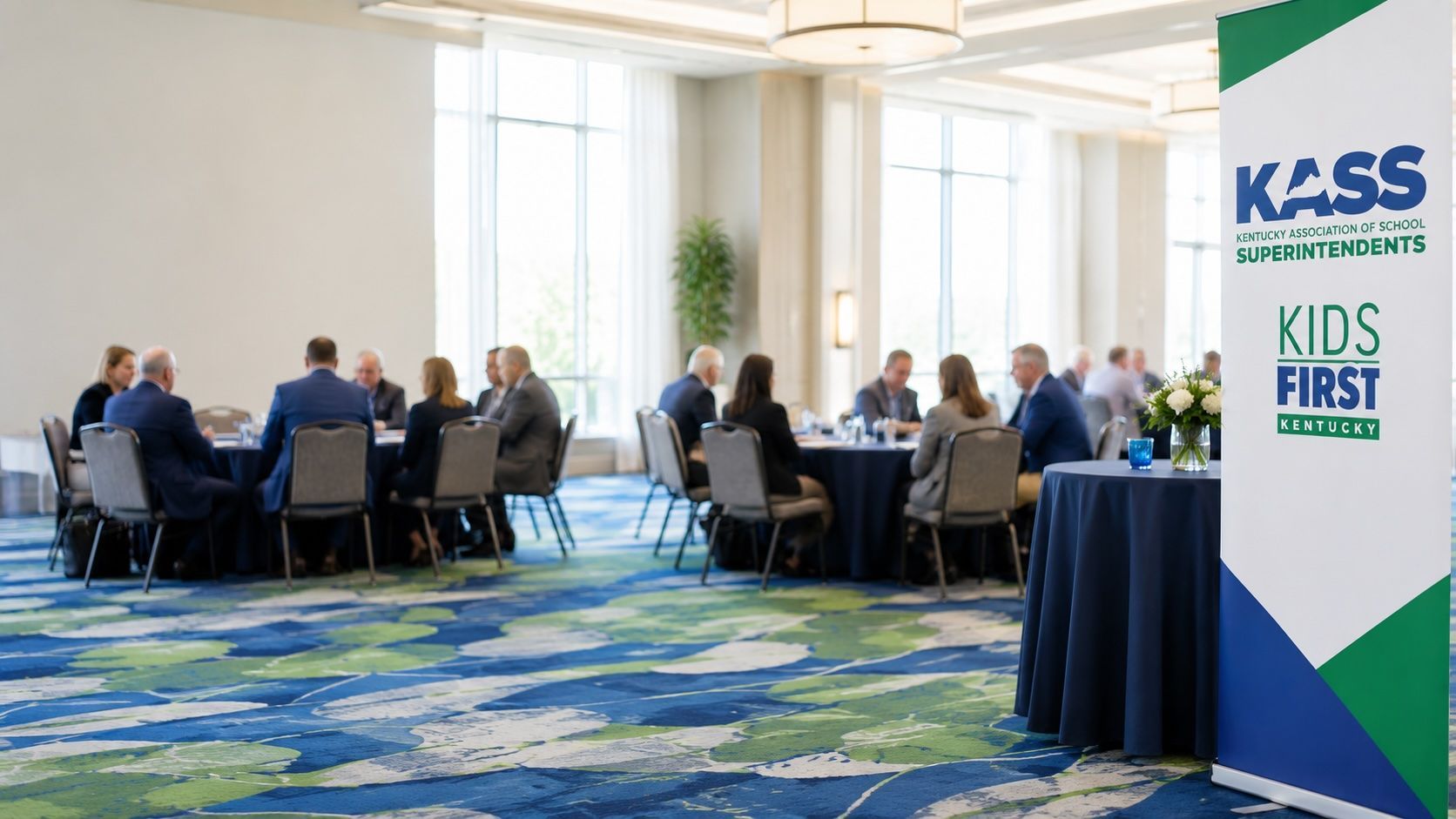
Synergy’s cross-pollination sessions are designed to bring these leaders into intentional dialogue, not for networking or surface-level exchange, but for meaningful executive-level learning.
By engaging with senior business and industry leaders, superintendents gain perspective on how other complex organizations approach leadership, accountability, talent development, and change management. Just as importantly, business leaders gain insight into the realities of public education leadership, strengthening mutual understanding and long-term collaboration at the community level.
This exchange matters because superintendent leadership increasingly requires fluency beyond the schoolhouse. Economic development, workforce readiness, and community stability are deeply connected to district decisions. Cross-pollination creates space for superintendents to explore these intersections thoughtfully, alongside peers who carry comparable responsibility and influence.
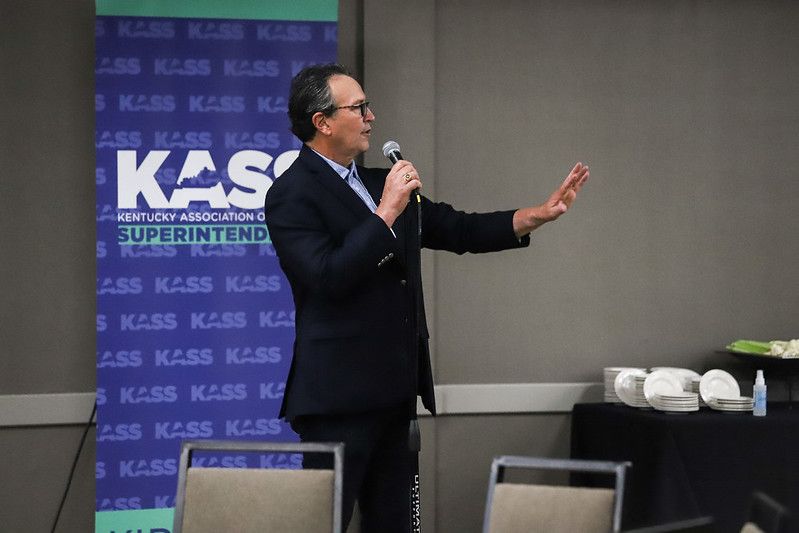
Within Synergy, cross-pollination is facilitated intentionally, with structured conversation and guided reflection led by KASS Consultant and leadership trainer Greg Coker. The focus remains on shared leadership challenges, decision-making under pressure, and the role executive leaders play in shaping culture, trust, and outcomes within their organizations.
For experienced superintendents, this kind of engagement offers something traditional professional learning often does not: the opportunity to test thinking, challenge assumptions, and sharpen leadership judgment through dialogue with other chief executives who understand the weight of the role.
Cross-pollination strengthens superintendent leadership because it reinforces a broader truth. Effective district leadership does not happen in isolation from the communities districts serve. It happens through informed collaboration, shared responsibility, and a clear understanding of how leadership decisions ripple across systems.
Synergy includes cross-pollination because strong superintendent leadership benefits from exposure to diverse executive perspectives, grounded conversation, and purposeful connection to the broader ecosystem shaping Kentucky’s future.
To learn more about Synergy and to register, visit our webpage.