March 29, 2026
What "Full Transportation Funding" Really Means for Kentucky Students — and the Cost of Falling Short
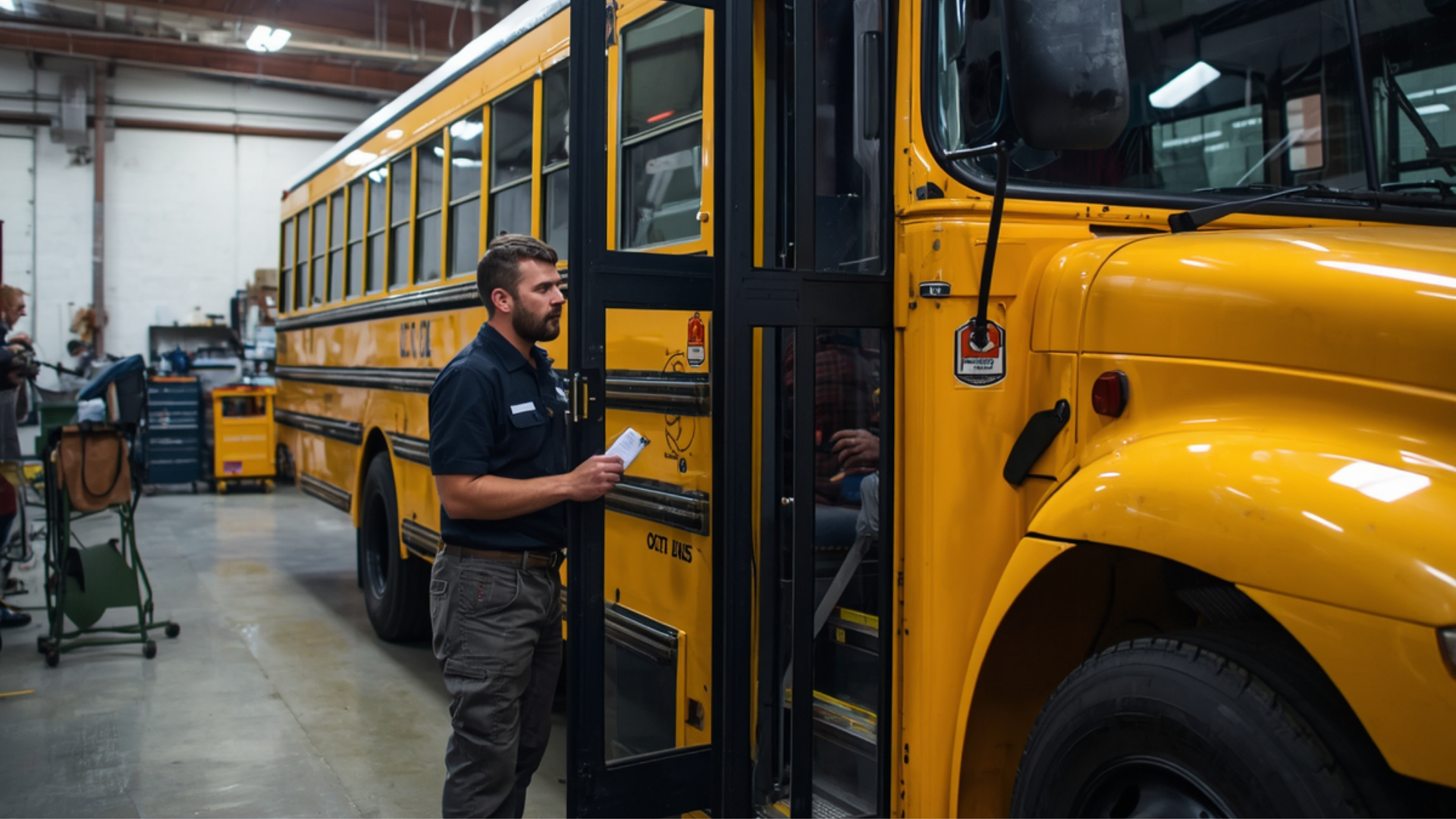
Kentucky law is clear: the state is required to fully fund pupil transportation. Since the Kentucky Education Reform Act of 1990, KRS 157.370 has established that obligation. Yet in every biennial budget since 2005, that requirement has been suspended - forcing districts to choose between running buses and investing in classrooms.
In the current budget cycle, the gap between the SEEK transportation formula and the state appropriation is approximately $94 million per year - a cost districts must absorb from their own budgets. As KASS Executive Director Jim Flynn noted in this week's legislative update, "Any SEEK increase will be absorbed some by making up that transportation cost, especially in light of what's going on right now with fuel cost and bus cost."
That is the operational reality superintendents face: a SEEK increase on paper partially disappears before it ever reaches a classroom.
With budget conference negotiations underway and the session entering its final days, this is the moment that matters.
How the Transportation Formula Works
Transportation funding in Kentucky is a SEEK add-on calculated annually by the Kentucky Department of Education under KRS 157.370. The formula accounts for student ridership, district transportation expenditures, geographic density, days in session, and bus depreciation costs. By design, rural districts with lower student density and longer routes receive higher per-pupil allotments - directing more resources where transportation costs are highest.
Each year, KDE publishes the statewide calculated cost:
- March 2024: $484 million
- February 2025: $488 million
- February 2026: $492 million
The appropriated amount for FY2026: $399 million - roughly 81% of the statutory requirement.
The proposed 2026–2028 budget (HB 500) holds funding at that same level while costs continue to rise.
Two Decades of Shortfalls
The last time the General Assembly fully funded transportation was FY2004. Every budget since has included language that suspends the statutory formula and replaces it with a fixed appropriation - creating a cumulative shortfall of $2.58 billion.
While funding improved from roughly 55% of the formula in 2020 to about 80% in recent years, the current proposal freezes funding at $399 million even as the formula now calculates costs near $492 million.
The result is a persistent and growing gap of roughly $94 million annually.
When funding falls short, reductions are applied across districts - but not evenly. Districts with higher transportation needs, particularly rural districts, absorb significantly larger per-student impacts. Analysis has found some districts absorbing cuts of more than $400 per student while others lose less than $20 - a disparity that falls hardest on the communities least able to absorb it.
The funding gap is not for lack of available state resources. In a recent fiscal year, $156.3 million in SEEK funds lapsed back to the general fund - enough to close the transportation gap nearly twice over.
What Flat Funding Looks Like in a Bus Garage
Superintendents do not experience funding gaps as percentages. They experience them in daily operational decisions.
Whitley County: Superintendent John Siler reported a $900,000 transportation shortfall in FY2025 that had to be covered from general funds - dollars that would otherwise support instructional technology. His district still operates buses dating back to 2008.
Rockcastle County: A school bus that cost $94,000 in 2019 now costs $153,000 - an increase of more than $60,000 per unit.
Statewide: A 52-passenger bus cost $130,799 in 2022 and $160,036 in 2026.
The driver shortage adds further strain. In some districts, administrators - including superintendents - are driving routes to keep systems running. Other districts have been forced to cancel routes due to staffing shortages.
These are not isolated stories. They are the operating conditions superintendents across Kentucky manage every day because of sustained underfunding.
Transportation Is an Access Issue
For the roughly 300,000 Kentucky students who rely on school buses, transportation is not a convenience - it is a prerequisite for attendance.
Research shows that access to school transportation reduces chronic absenteeism by 2–4 percentage points among economically disadvantaged students - a meaningful improvement at scale. With Kentucky's chronic absenteeism rate at 25% and a state goal of reaching 15% by 2028–2029, reliable transportation is essential to closing that gap.
In rural communities, where distances are longer and alternatives are limited, transportation is even more critical. When funding falls short, the burden falls hardest on the districts with the greatest need.
What KASS Is Asking — and Why It Matters Now
KASS has identified full transportation funding as one of its Big Three priorities, alongside strengthening the SEEK base and increasing Tier I equalization.
The ask is not for new spending beyond what the law already requires. It is for the General Assembly to follow the formula already in place.
Closing the $94 million gap would immediately return general fund dollars to classrooms - supporting instruction, workforce stability, and student learning.
Kentucky school districts are already operating with significantly reduced purchasing power compared to 2008. When transportation is underfunded, that erosion accelerates.
A SEEK increase that arrives alongside a transportation shortfall is not a full investment. It is a partial offset.
The Window Is Closing
Full transportation funding is not an aspiration. It is a statutory obligation and one of the most direct investments the Commonwealth can make in student access, attendance, and district stability.
For Kentucky's 171 superintendents, the cost of continued flat funding is concrete:
- Instructional resources that cannot be purchased
- Staff compensation that cannot be strengthened
- Buses that cannot be replaced
- Routes that cannot be staffed
The formula exists.
The obligation exists.
The resources exist.
What remains is the legislative commitment to follow through - and the window to do that is closing fast.
December 6-8 at the Louisville Marriott Downtown Organizations that support Kentucky public school districts can now register to exhibit, sponsor, or join as a Preferred Partner at the 2026 KASS Annual Conference, December 6-8 at the Louisville Marriott Downtown. The Annual Conference is the largest KASS gathering of the year, bringing Kentucky's school superintendents together for professional learning, peer connection, and conversation about the work ahead for their districts. For superintendents, the partners in the room are part of that work. For organizations, it is a direct and personal way to understand what district leaders need. What This Conference Means for Districts and Partners Kentucky's superintendents are the chief decision-makers for districts across the Commonwealth. They are accountable for governance, operations, and long-term student outcomes, and they come to KASS events to learn alongside peers and find partners who can help them do the job well. Because KASS is the state organization dedicated solely to superintendents, partners at the Annual Conference are in the room with the leaders who set direction and shape priorities for their districts. This year's conference theme is The Power of Possibility: Empowering Learners. Igniting Innovation. Transforming Education. Conference at a Glance

The KASS Fall Superintendents Summit brings Kentucky district leaders together September 8–9 in Lexington for focused conversation and peer connection. Limited sponsorship opportunities available for organizations committed to Kentucky public education.
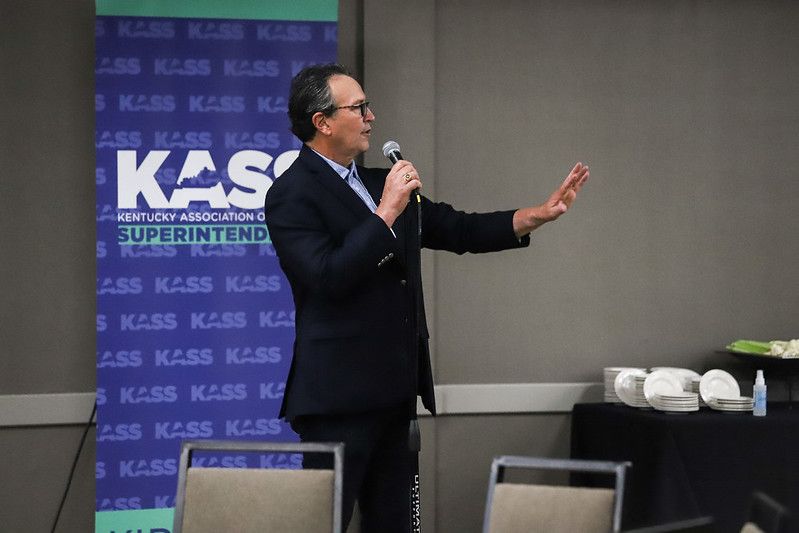
Join Kentucky superintendents at the KASS Summer Summit in Lexington. Limited sponsorship opportunities available for meaningful, relationship-driven engagement.
HB 757 phases out state equalization for facility nickels, and every Kentucky district is now on a clock. Here is what the 2026 session means for school construction funding and what superintendents must do before April 15.

Kentucky's HB 257 adds three new accountability indicators — National Board certification rates, 8th grade Algebra 1 enrollment, and FAFSA completion — to the state's overall district score. Here's why district leaders are raising concerns, and why this conversation isn't over.
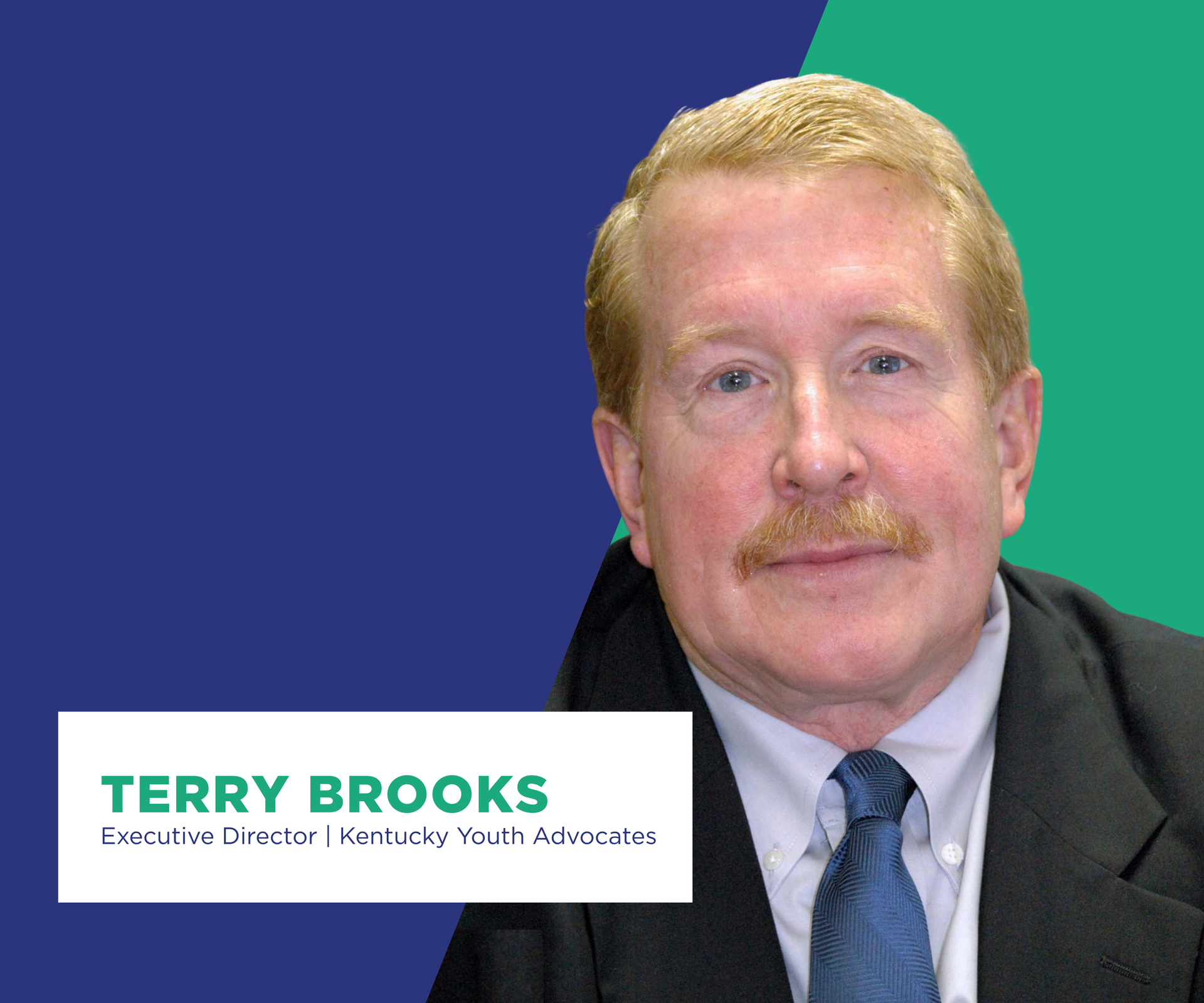
Terry Brooks: Children, Data, and Superintendent Leadership