September 4, 2025
Teachers Enable Vibrant Learning
At the heart of every vibrant learning experience is a strong teacher. A great educator transforms content into curiosity, and classrooms into spaces where students feel both challenged and supported. When we talk about building a future-ready public education system in Kentucky, the starting point is clear: we must ensure a great teacher is present in every classroom.
Kentucky’s school leaders have worked diligently to raise teacher pay in recent years. In fact, many districts have given some of the largest percentage raises in their history, and those efforts have largely kept pace with inflation. But keeping up is not the same as catching up. Teachers have not regained the ground lost during the lean years following the 2008 recession, when salaries failed to keep pace with rising costs. At the same time, private sector wages have surged ahead, widening the pay gap and making it harder to recruit and retain the next generation of educators.
We cannot rob Peter to pay Paul. Long-term commitments such as pensions, health care, and retirement security are essential for stability in the profession. At the same time, year-to-year funding for salaries and classroom resources determines whether teachers feel valued and whether districts can attract the next generation of talent. Both elements matter. Both must be sustained.
Teachers are not asking for luxuries; they are asking for the conditions that make vibrant learning possible. Competitive salaries, reliable benefits, and supportive working environments ensure Kentucky classrooms remain staffed with the kind of educators who bring lessons to life. Without these, we risk losing teachers to other professions or neighboring states, which is an outcome Kentucky cannot afford.
This is why our legislative advocacy must stay focused on both sides of the equation. Investing in SEEK funding, protecting retirement systems, and ensuring sustainable pathways for compensation are not abstract policy debates. They are the concrete decisions that determine whether every Kentucky child has access to a strong teacher, every single year.
As superintendents, we know the stakes. When teachers thrive, students thrive. Vibrant learning is not a slogan; it is the daily work happening in classrooms across the Commonwealth. Let us continue to lead with purpose, advocate with unity, and put Kids First by ensuring that Kentucky teachers have the respect, resources, and rewards they deserve.
December 6-8 at the Louisville Marriott Downtown Organizations that support Kentucky public school districts can now register to exhibit, sponsor, or join as a Preferred Partner at the 2026 KASS Annual Conference, December 6-8 at the Louisville Marriott Downtown. The Annual Conference is the largest KASS gathering of the year, bringing Kentucky's school superintendents together for professional learning, peer connection, and conversation about the work ahead for their districts. For superintendents, the partners in the room are part of that work. For organizations, it is a direct and personal way to understand what district leaders need. What This Conference Means for Districts and Partners Kentucky's superintendents are the chief decision-makers for districts across the Commonwealth. They are accountable for governance, operations, and long-term student outcomes, and they come to KASS events to learn alongside peers and find partners who can help them do the job well. Because KASS is the state organization dedicated solely to superintendents, partners at the Annual Conference are in the room with the leaders who set direction and shape priorities for their districts. This year's conference theme is The Power of Possibility: Empowering Learners. Igniting Innovation. Transforming Education. Conference at a Glance

The KASS Fall Superintendents Summit brings Kentucky district leaders together September 8–9 in Lexington for focused conversation and peer connection. Limited sponsorship opportunities available for organizations committed to Kentucky public education.
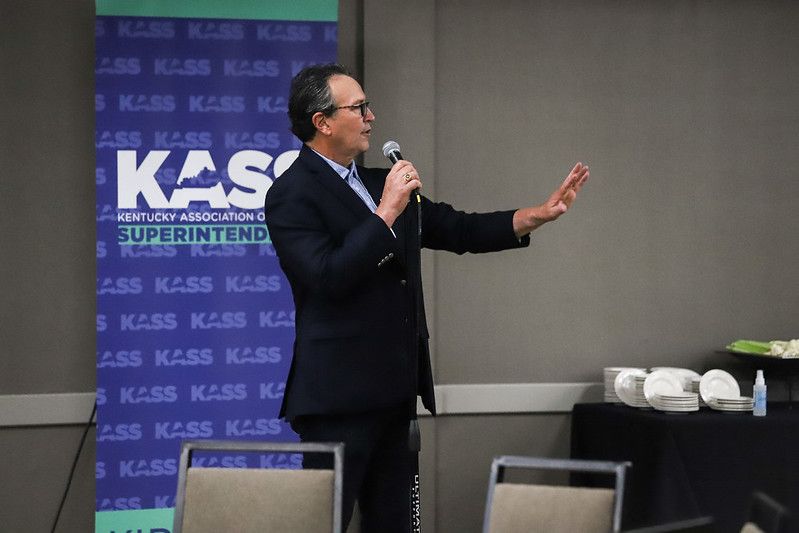
Join Kentucky superintendents at the KASS Summer Summit in Lexington. Limited sponsorship opportunities available for meaningful, relationship-driven engagement.

HB 757 phases out state equalization for facility nickels, and every Kentucky district is now on a clock. Here is what the 2026 session means for school construction funding and what superintendents must do before April 15.

Kentucky law requires full transportation funding — but the gap between obligation and appropriation costs districts $94 million a year. Here's what that means for students, buses, and classrooms across the Commonwealth.

Kentucky's HB 257 adds three new accountability indicators — National Board certification rates, 8th grade Algebra 1 enrollment, and FAFSA completion — to the state's overall district score. Here's why district leaders are raising concerns, and why this conversation isn't over.